

When it comes to reliable income and minimal management hassle, triple net (NNN) properties are often at the top of the list for savvy real estate investors. But are they good investments for everyone? In this comprehensive guide, we’ll dive deep into the world of NNN leases, explore their benefits and risks, and help you determine whether they fit your investment strategy.
Let’s start with the basics. NNN stands for “Triple Net,” a type of lease agreement commonly used in commercial real estate. In a triple net lease, the tenant is responsible for three key expenses in addition to rent: property taxes, insurance, and maintenance. That’s where the three “nets” come from. This setup dramatically reduces the landlord’s financial and managerial responsibilities.
For example, if you own a standalone Walgreens under a triple net lease, Walgreens would not only pay the base rent but also cover the property taxes, maintain the HVAC systems, handle repairs, and even pay for insurance. As the property owner, you simply collect rent checks and relax—no clogged toilets or middle-of-the-night emergencies.
This lease structure makes NNN properties particularly attractive to investors looking for a more hands-off approach to real estate. It’s popular in retail and medical sectors, with tenants like CVS, Dollar General, and Starbucks often signing long-term NNN leases ranging from 10 to 25 years.
Now that we know what NNN stands for, let’s talk about structure. These leases are designed to favor passive investors who prioritize stable, long-term returns. A standard NNN lease includes:
This lease structure minimizes surprises. Landlords are insulated from rising operational costs, making it easier to forecast income. It’s like owning a dividend stock—but better, because you’re not just hoping for a quarterly payout; it’s contractually guaranteed.
For investors eyeing long-term wealth with minimal headaches, this structure is almost too good to be true. But of course, no investment is without its risks.
One of the biggest selling points of NNN properties is the low-touch nature of investing. Unlike residential rentals or multi-family units that require active management—like dealing with tenants, late payments, or leaky plumbing—NNN investments are as close to “set-it-and-forget-it” as real estate gets.
Once a lease is signed, there’s little to no day-to-day involvement. This makes triple net leases particularly attractive to retirees, busy professionals, or institutional investors who want reliable returns without being involved in the grind of property management.
Some investors use NNN properties as a haven after years of managing apartments or fix-and-flip projects. They transition to triple nets for more predictable income with less stress. This passive approach allows you to invest in multiple properties across different regions without needing a property management team.
Another reason investors are drawn to triple net properties is the long-term lease structure, which offers consistency in income. With lease terms that can span decades, creditworthy tenants typically back these agreements—think national chains or franchise giants. This means fewer vacancies, lower tenant turnover, and long-term predictability.
In commercial real estate, predictability is gold. It makes financing easier, budgeting simpler, and investment planning much more reliable. And with scheduled rent increases baked into the lease, your income often keeps pace with inflation.
Compare this to other real estate investments like short-term rentals or vacation homes, which can be seasonal and unpredictable. The stability of NNN leases makes them especially appealing in uncertain economic times when investors crave consistency over high-risk, high-reward plays.

Triple net properties are cash flow machines. Because tenants take on most operating expenses, nearly all the rent you collect becomes profit. This makes it easy to calculate your net operating income (NOI) and forecast long-term returns.
Let’s break it down:
This predictable cash flow can be especially useful for investors relying on passive income during retirement or using real estate to fund other ventures. It’s like owning a reliable dividend-paying stock, except with more tax advantages and tangible assets.
Moreover, the cash flow from NNN properties is often higher than what you’d get from bonds or high-yield savings accounts, making it a solid addition to any conservative portfolio.
In times of rising inflation, many investments suffer. But NNN properties? They often shine. That’s because many NNN leases include scheduled rent escalations—either annually or every few years—designed to keep up with inflation. These clauses ensure that your purchasing power isn’t eroded over time, making your investment more secure in the long run.
For instance, a lease might include a 2% annual increase in base rent. That doesn’t just keep pace with inflation; it helps grow your income. If inflation spikes, the rising property values and income streams help protect your overall return. Some leases are tied to CPI (Consumer Price Index), which adjusts automatically based on inflation data. That’s a built-in hedge right there.
This inflation resistance sets NNN properties apart from bonds, CDs, and even some stocks, which may not keep up with inflationary pressures. With the ability to pass costs onto tenants and maintain strong cash flow, triple net leases offer one of the few real estate investment options that age well with inflation.
Here’s another benefit: NNN property owners can take advantage of various tax benefits, primarily through depreciation. Even though your property may be increasing in value, you can still write off a portion of it each year, lowering your taxable income. That’s like getting a tax break on a winning investment.
Here’s how it works. The IRS allows commercial properties to be depreciated over 39 years. So, if your building is worth $1 million (excluding land), you can deduct roughly $25,600 each year in depreciation alone. Combine this with deductions for mortgage interest, and you may end up paying very little in taxes—even as you enjoy strong rental income.
Some investors even utilize cost segregation studies to accelerate depreciation and reduce their taxable income faster. This is especially helpful in the early years of ownership when cash flow might be tighter.
For high-income investors looking for tax shelters, NNN real estate offers a smart way to lower taxable income while building wealth in a tangible, income-producing asset.
Every investment has its risks, and NNN properties are no exception. One of the biggest risks? Tenant reliability. Your entire income stream is tied to a single occupant, often under a long-term lease. If that tenant defaults or goes bankrupt, your income dries up instantly.
That’s why vetting tenant creditworthiness is essential. National brands with strong credit ratings—think Walgreens, Chick-fil-A, or AutoZone—are ideal. You want tenants with a proven business model, solid revenue streams, and a history of lease compliance.
It’s smart to request and review financials, credit ratings, and performance reports before closing any deal. Stick to tenants that have a Standard & Poor’s rating of BBB or higher (investment grade). Anything less and you’re taking on unnecessary risk.
Remember, the value of an NNN property isn’t just in the bricks and mortar—it’s in the tenant’s ability to pay. A $2 million building with a bankrupt tenant is worth a lot less than a $1 million building with a thriving national brand on a 20-year lease.
While triple net leases reduce daily headaches, they pose a unique challenge when the lease ends: releasing the space. Commercial properties aren’t like apartments—finding a replacement tenant can take months, even years, depending on the market and property type.
During this time, you’re on the hook for all expenses—property taxes, insurance, maintenance—the very costs the tenant used to pay. That can quickly eat into your profits if you’re not prepared.
Plus, the cost of re-leasing can be substantial. You might need to renovate, offer concessions, or hire a broker. This is especially true for single-tenant properties, where the space was customized for the original occupant.
To mitigate this, always:
If you’re risk-averse or unfamiliar with commercial leasing markets, this is a major consideration before diving into NNN investments.
It’s a classic real estate mantra: location, location, location. This holds for NNN properties. A great tenant in a poor location is a time bomb. When that lease ends, or if the tenant leaves early, you might struggle to find another business willing to lease the space.
Good locations ensure continued demand and better resale value. Look for properties in:
The surrounding demographics also matter. Is the population growing? Are income levels rising? Are new developments underway?
Understanding these market dynamics allows you to make smarter investment choices. A well-located NNN property doesn’t just generate stable income—it appreciates faster and attracts better tenants over time.
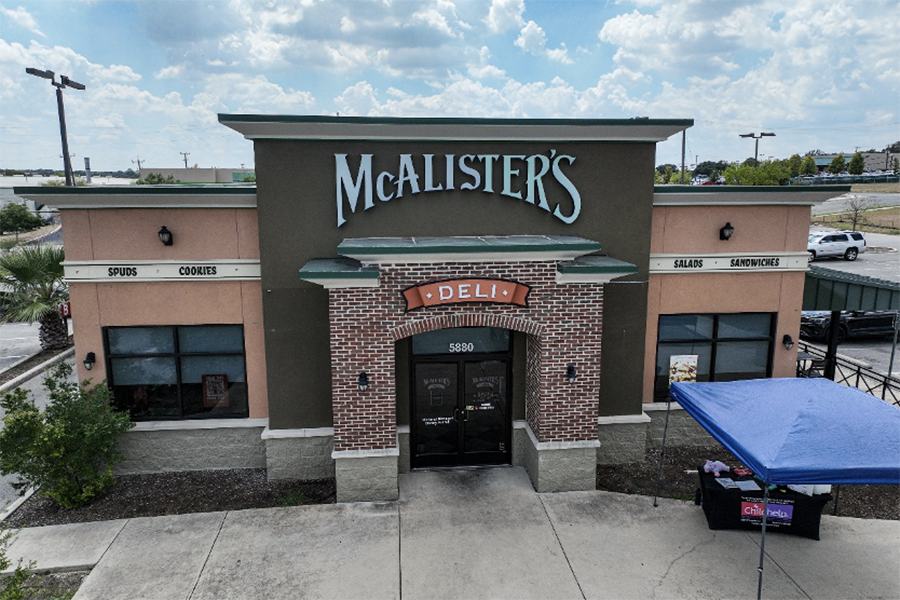
NNN properties aren’t for everyone, but they are perfect for certain types of investors. If you’re the kind of person who values stability, predictability, and low maintenance, you’ll likely find NNN investing very appealing. These investments are ideal for:
Essentially, if you’re looking for a “mailbox money” type of investment—where you do the work once, then collect rent checks for years—this is one of the best options available.
But if you’re someone who thrives on active management, value-add projects, or flipping, the hands-off nature of NNN investments might feel a bit too boring. They’re not built for short-term appreciation or big equity jumps—they’re a long-term income play.
So, are NNN properties good investments?
Absolutely—if you’re the right type of investor. They offer stable income, minimal landlord responsibilities, attractive tax benefits, and long-term tenant agreements with built-in rent increases. These factors combine to create a low-risk, highly passive income stream that’s perfect for investors seeking predictability and peace of mind.
However, they’re not without risk. Tenant credit, location quality, and lease structure can make or break your investment. Due diligence is crucial. It’s not a get-rich-quick scheme—it’s a build-steady-wealth strategy.
If you’re seeking a stress-free way to grow your real estate portfolio with predictable results, triple-net lease properties deserve a spot on your radar. They’re not flashy, but they are reliable—and in the world of investing, that counts for a lot.
Retail chains, pharmacies, fast food restaurants, banks, and medical clinics are common NNN tenants. Brands like Starbucks, Walgreens, and Dollar General are frequent players in this space.
2. How long are NNN lease terms usually?
Leases typically range from 10 to 25 years, often with options for renewal. These long durations provide income stability and reduce tenant turnover risk.
Returns typically range from 5% to 7% annually, depending on location, tenant quality, and lease structure. Stability often offsets lower returns compared to riskier asset classes.
Yes, most investors use financing to acquire NNN properties. Lenders often view these assets favorably due to stable tenants and predictable cash flows, which can improve loan terms.
They can be, especially for those with sufficient capital and a desire for passive income. Beginners should consult real estate advisors to understand lease terms, tenant strength, and market dynamics before investing.
Reach out to the team at NNN 1031 Pros—we’re here to guide you every step of the way.
Whether you’re browsing the latest triple net properties, considering a 1031 exchange, or just getting started with NNN real estate, Michael Johns is ready to help. With years of experience and a reputation for results, Michael will work with you to find the right investment for your goals.
Call Michael today at (813) 624-1500 and take your next step toward building steady, passive income and long-term financial growth.
NNN 1031 helps you buy and sell single-tenant, NNN lease properties.
Phone :813.624.1500
Email:Info@nnn1031pro.com
Disclaimer: The properties shown on this website may or may not be exclusively listed by NNN 1031. All properties and information are deemed accurate and reliable but not guaranteed and should be independently verified. All NNN Properties and information are deemed reliable, but not guaranteed and should be independently verified. All properties are subject to prior sale, change, or withdrawal. Neither property listing brokers(s) nor NNN 1031 dba/GSA Realty Advisors, Inc., shall be responsible or liable for any typographical errors, mapping errors, listing status, misinformation, or misprints.